The carpenter is primarily responsible for basic carpentry work, including ceiling design, partition construction, door and window frame bases, cabinet making, custom wall frames, and the installation of various wood veneers. The focus is on structural stability, precise dimensions, and meticulous sanding to provide a smooth and stable foundation for subsequent painting, custom furniture, and soft furnishings.
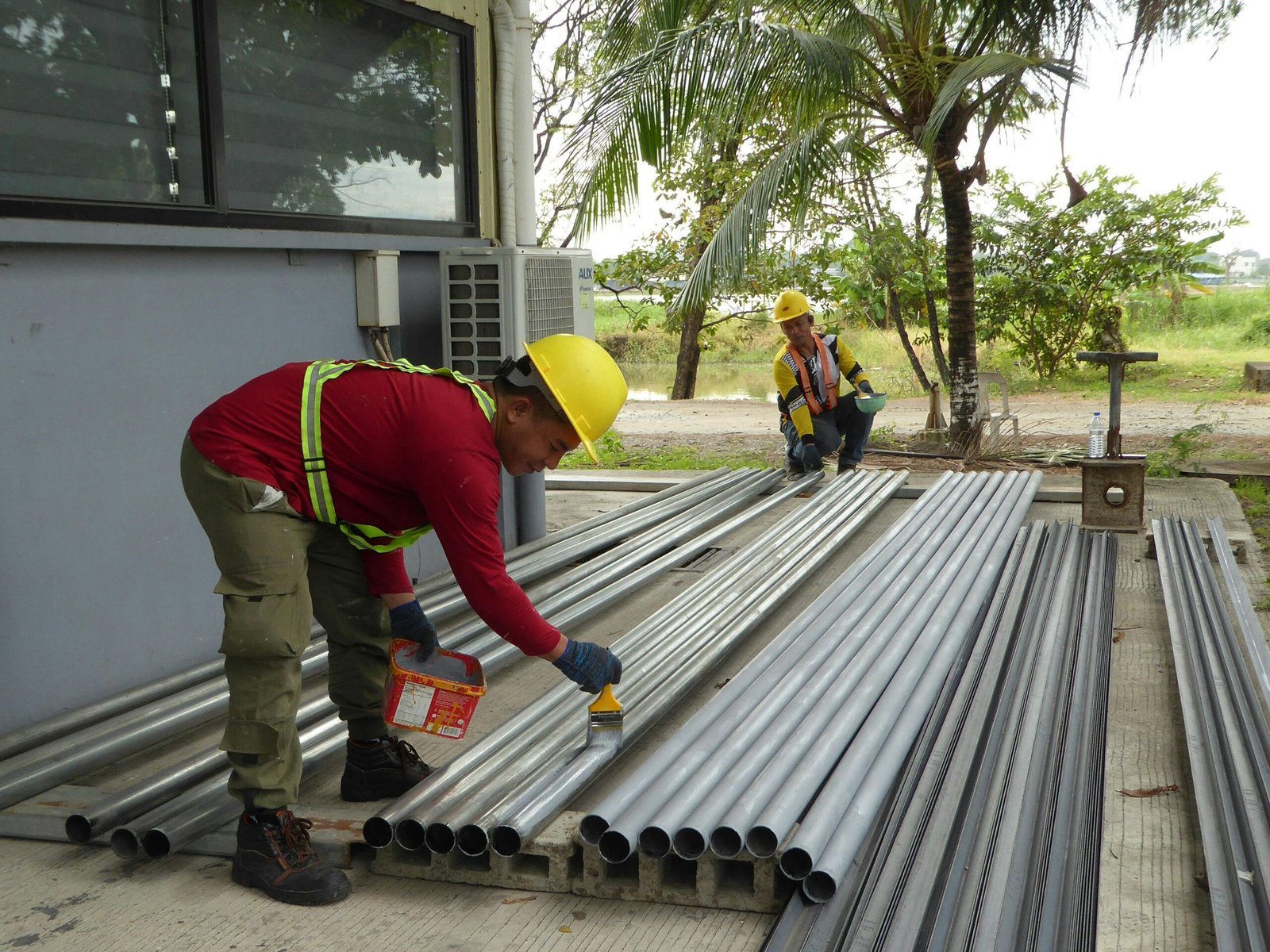
Plumbing and electrical work is the core of concealed renovation projects, responsible for the wiring of both high-voltage and low-voltage wires throughout the house, the laying of water supply and drainage pipes, the positioning of switches and sockets, and pre-treatment of waterproofing in kitchens and bathrooms. The construction is carried out according to strict standards, with neat wiring, and pipes are sealed and pressure tested to ensure residential safety and stable operation in the long run.
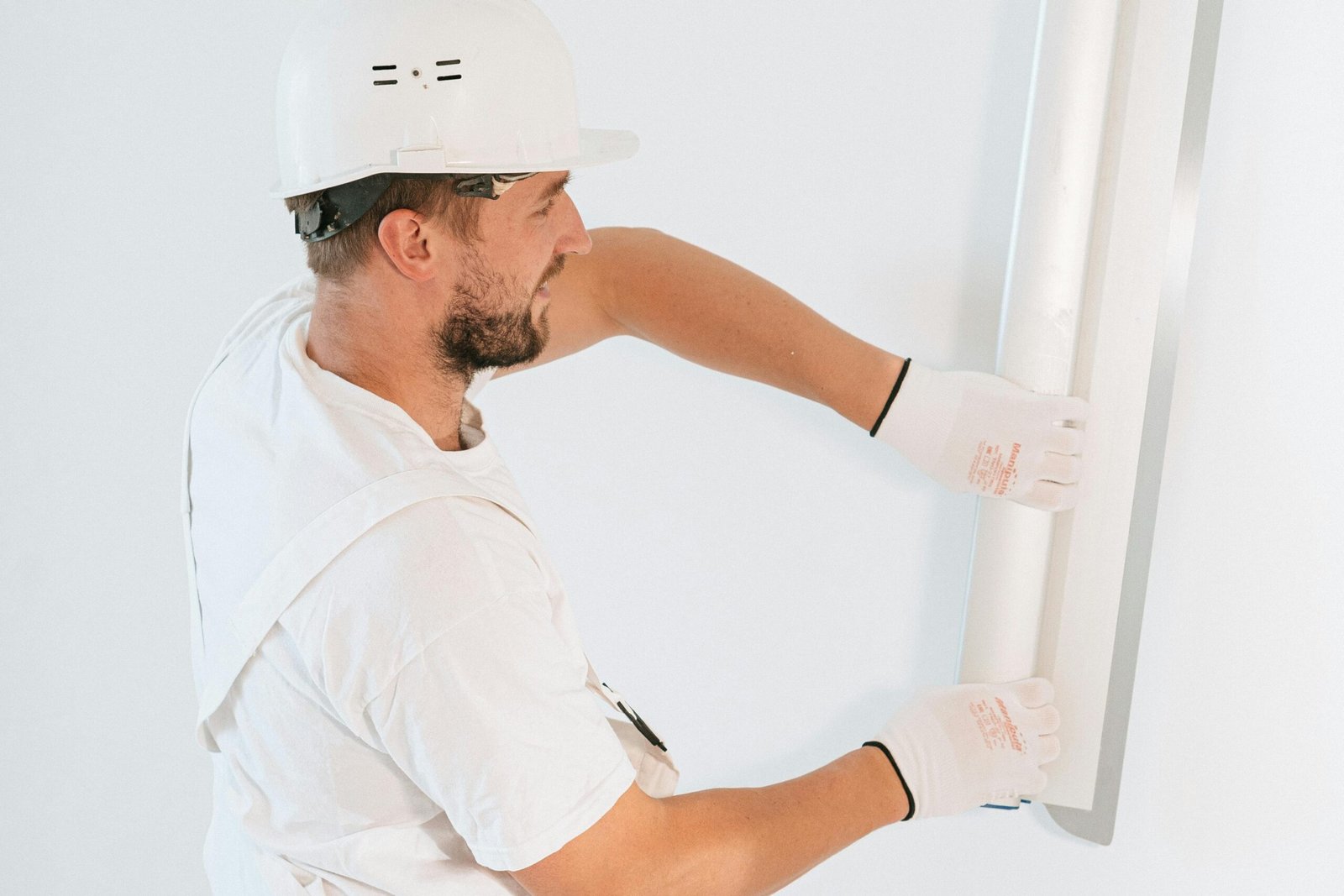
The finishing process mainly includes wall surface preparation, puttying, sanding and leveling, and latex paint application. It takes into account the smoothness, fineness and aesthetics of the wall surface, and ensures moisture resistance and crack resistance to create a clean and uniform interior finish.
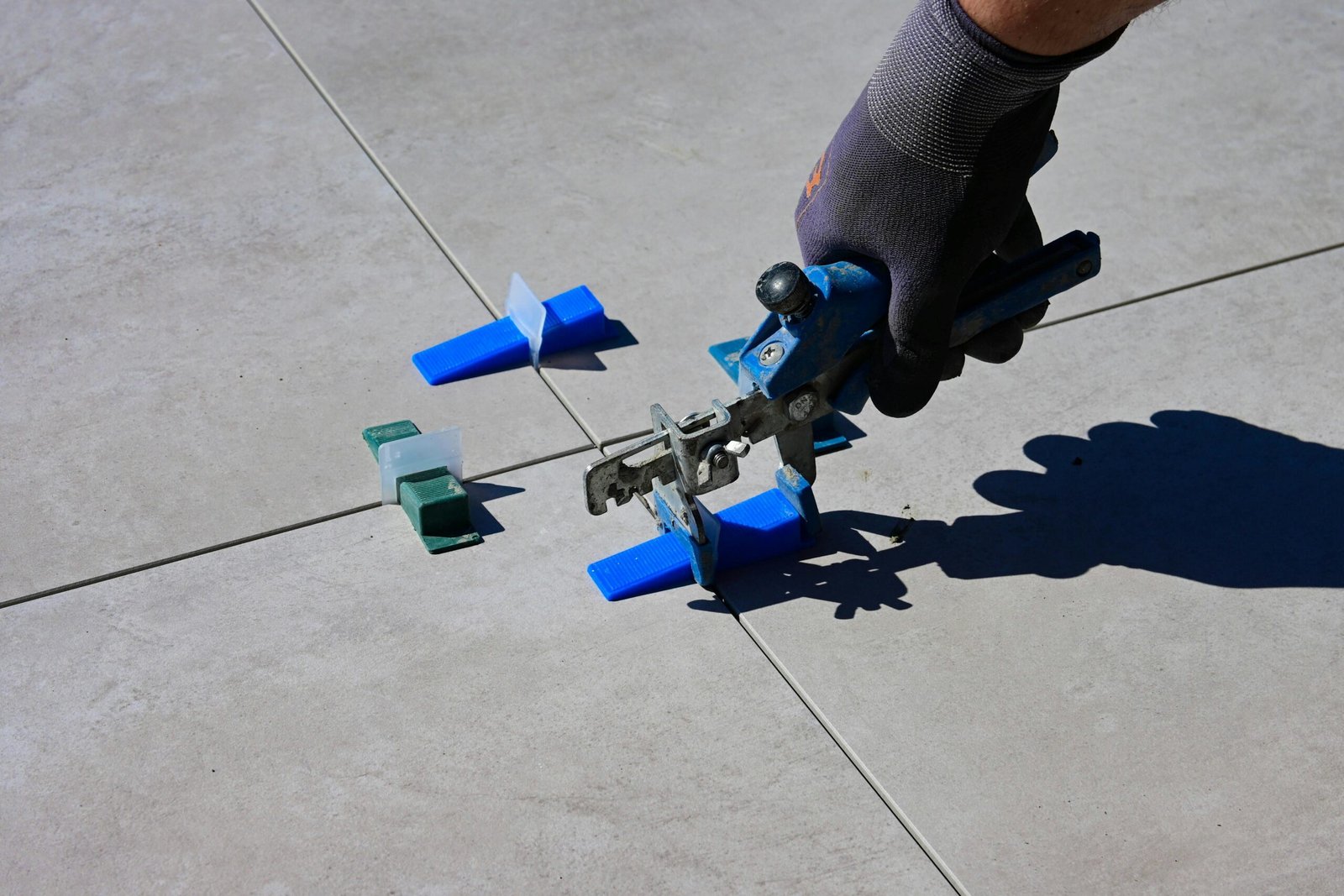
Masonry work mainly involves wall construction, floor leveling, tile laying, waterproofing, and pipe wrapping in kitchens and bathrooms, ensuring smooth walls and floors, even grout lines, and leak-proof waterproofing, laying a solid foundation for the overall hard decoration.